








Better Visibility for Every Safari Journey
Managing safari vehicles is different from managing an ordinary commercial fleet. Tour vehicles may travel long distances, enter remote areas, operate on rough roads, carry international guests, and follow carefully planned itineraries.
A single delay can affect airport transfers, park entry times, lodge check-ins, game drives, and the overall guest experience.
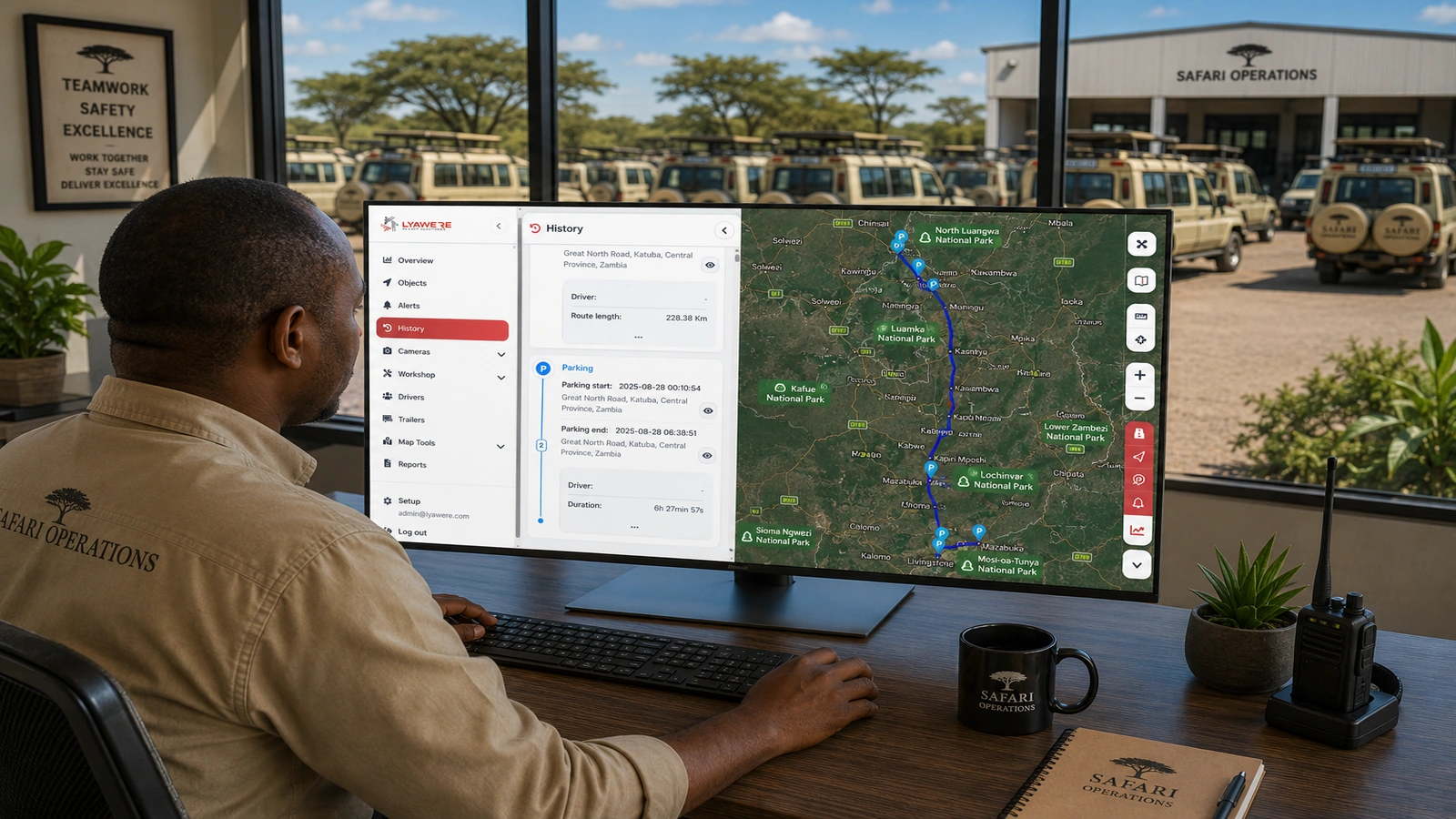
Omtrack helps tour operators monitor vehicle movements and respond to operational problems more effectively. Authorized managers can check vehicle locations, review routes, monitor stops, receive alerts, and access journey reports using a computer or mobile device.
This visibility helps your operations team support guides and drivers without constantly calling them for updates.
Challenges Facing Tour and Safari Vehicle Operators
Tour and safari companies in Tanzania may experience:
- Difficulty knowing the current location of vehicles
- Delayed airport and hotel transfers
- Unexpected changes to safari routes
- Poor communication in remote areas
- Unauthorized use of safari vehicles
- Excessive fuel consumption
- Fuel losses during long journeys
- Vehicle breakdowns during active safaris
- Speeding and unsafe driver behaviour
- Difficulty confirming lodge arrivals
- Limited visibility over subcontracted vehicles
- Inaccurate driver or guide movement reports
- High vehicle maintenance expenses
- Delays that affect guest itineraries
- Security concerns when vehicles are parked
Omtrack gives your operations team practical tools to monitor these issues and respond using recorded vehicle information.
GPS Tracking Designed for Safari Operations
Omtrack provides tracking solutions for vehicles used in:
- Wildlife safaris
- Airport transfers
- Lodge and hotel transfers
- Cultural tourism
- Mountain transfers
- Beach and holiday transfers
- Photographic safaris
- Camping safaris
- Corporate and group travel
- Educational tours
- Volunteer and student travel
- Cross-border tour operations
- Vehicle hire with drivers
- Safari support and supply trips
The solution can be installed in:
- Safari Land Cruisers
- Tour vans
- Minibuses
- Transfer vehicles
- Support trucks
- Company cars
- Other tourism vehicles
Before recommending a system, Omtrack considers your fleet size, vehicle types, safari routes, operating areas, reporting needs, and most common operational challenges.
From assessment to safari visibility
How Omtrack Supports Your Safari Fleet
The Omtrack process begins by understanding how your tour company operates.
The process includes:
Assess
Safari fleet assessment
We review your vehicles, safari operations, transfer services, routes, and monitoring requirements.
Select
Tracking solution selection
We recommend suitable GPS devices, sensors, alerts, and reporting options.
Install
Professional installation
Tracking devices are installed and tested in each selected vehicle.
Configure
Platform setup
Vehicles, users, geofences, notifications, and relevant reports are configured.
Train
Staff training
Your operations team learns how to monitor trips, check alerts, and review reports.
Support
Ongoing support
Omtrack provides technical assistance according to your service arrangement.
Your team can then monitor connected vehicles through the Omtrack web or mobile platform.
Real-time GPS tracking helps your operations team see where connected safari and transfer vehicles are located.
Managers can use the live map to:
- Follow vehicles travelling to tourism destinations
- Monitor airport and hotel transfers
- Check whether a safari has started
- Confirm arrival at lodges or camps
- Identify unexpected or extended stops
- Locate the closest available transfer vehicle
- Follow vehicles returning from a safari
- Check whether vehicles reached the company base
Tracking availability can depend on the GPS device, mobile-network coverage, system configuration, and the area where the vehicle is operating. Where supported, movement data collected during limited connectivity may be transmitted once the connection returns.
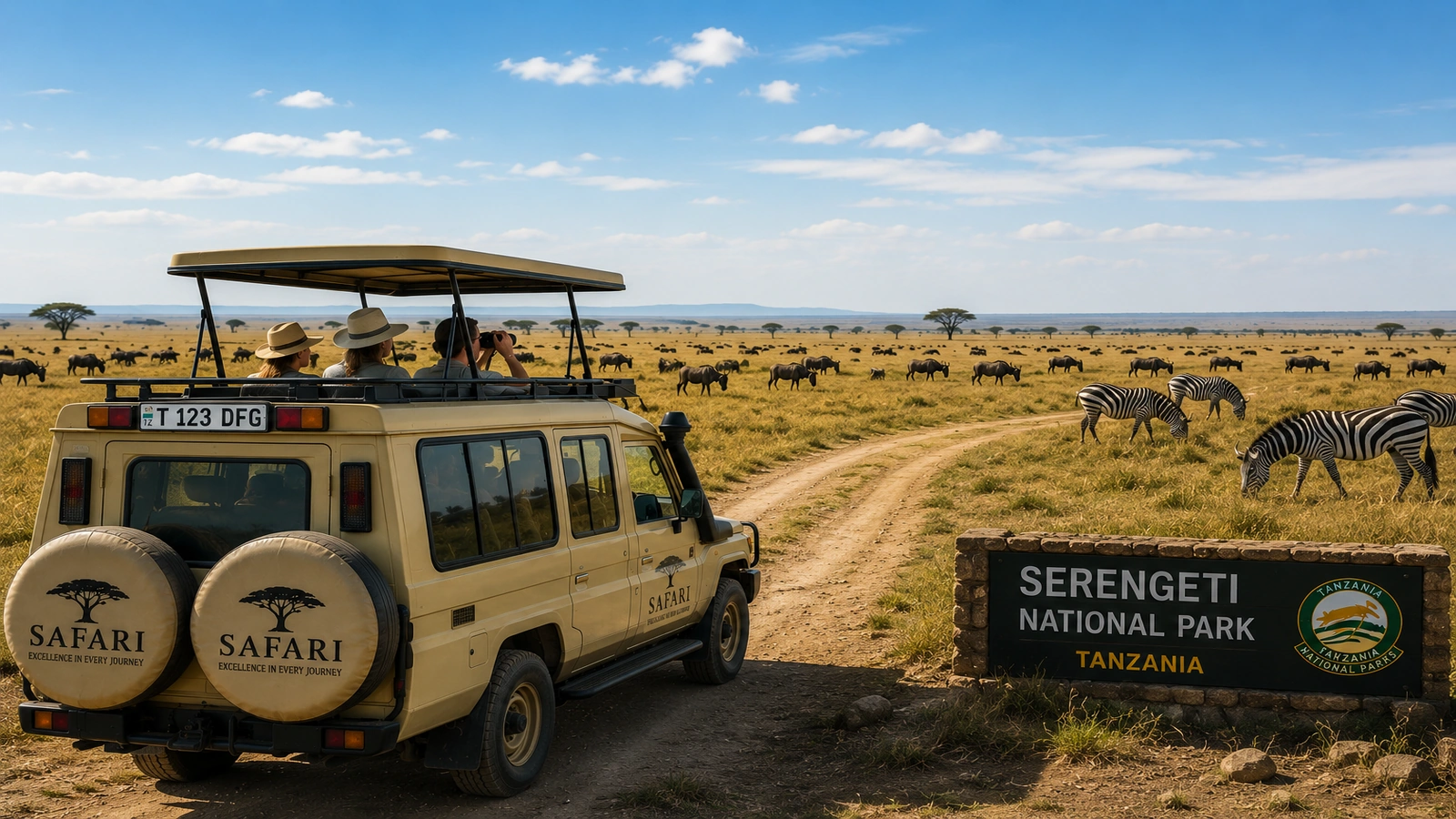
Coordinate Airport, Hotel and Lodge Transfers
Guest transfers require careful timing. A late pickup can create a poor first impression and affect the rest of the itinerary.
Omtrack helps transfer coordinators follow assigned vehicles and confirm their progress toward pickup and drop-off locations.
Your operations team can use vehicle information to:
- Check whether a driver departed on time
- Confirm progress toward the airport or hotel
- Identify delays before the scheduled pickup
- Locate another nearby vehicle when assistance is needed
- Confirm guest arrival at the destination
- provide more accurate updates to guests or travel partners
This reduces dependence on repeated calls to drivers and gives your team more time to resolve delays.
Monitor Safari Routes and Itinerary Progress
Safari itineraries often involve multiple destinations, accommodations, and planned travel times. Unnecessary route changes or extended stops can affect the guest experience.
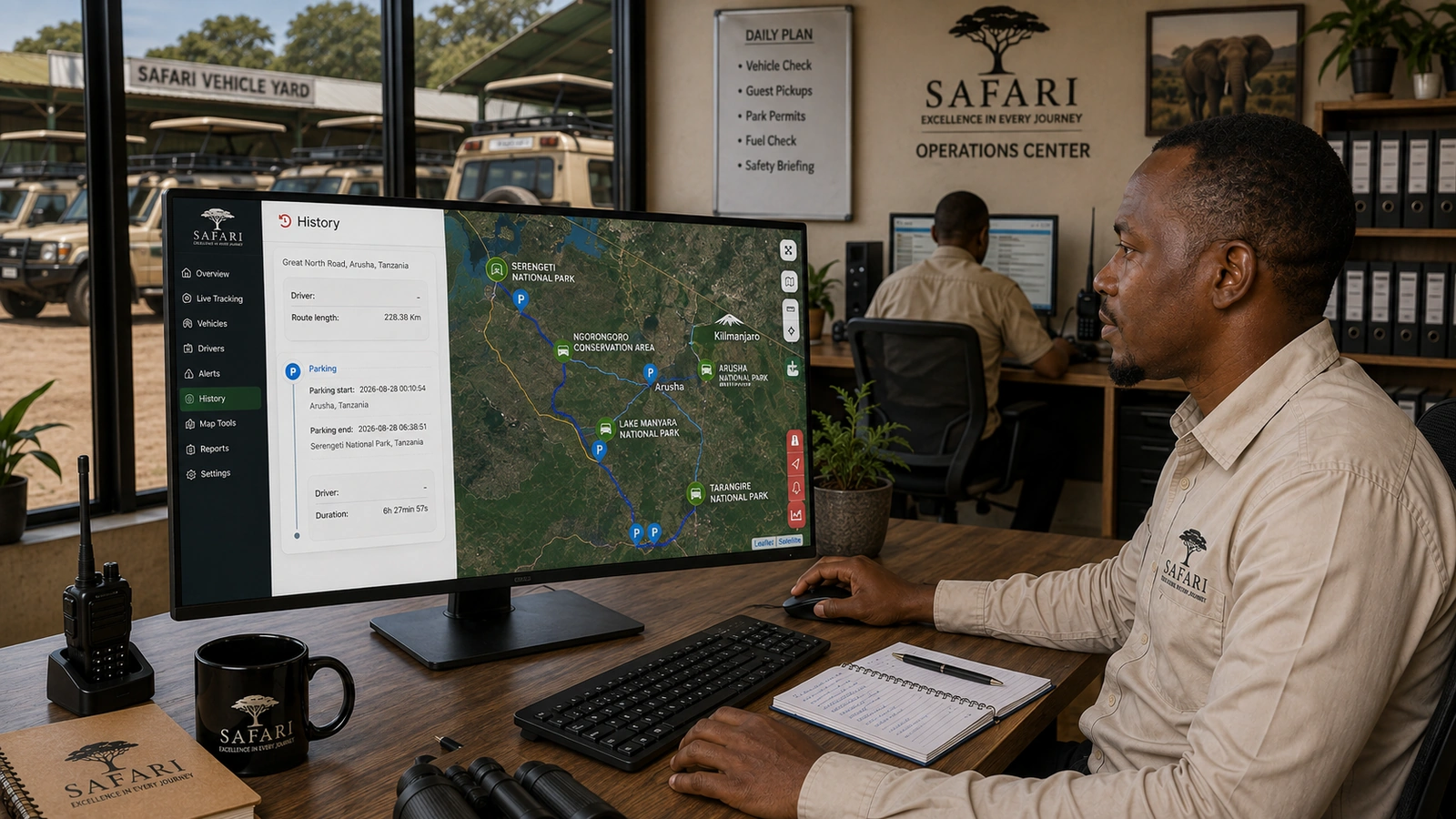
Omtrack allows managers to review the route used by each connected vehicle. Journey history can help confirm whether a vehicle:
- Followed the expected route
- Reached the planned destination
- Stopped unexpectedly
- Took longer than expected
- Returned to the correct location
- Travelled outside approved operating areas
The purpose is not to interfere with the guide’s professional judgment. Safari conditions can require legitimate route changes. Instead, route information gives the office better context when supporting guides and responding to guest or partner enquiries.
Improve Guest Safety and Operational Response
Guest safety is a major responsibility for every tour operator. GPS tracking gives the office an additional source of information when a safari vehicle is delayed or the guide cannot immediately be reached.
If a vehicle remains in one location for an unusual period, leaves an expected route, or moves outside approved hours, the operations team can investigate.
Depending on the situation, the company may:
- Contact the guide or driver
- Check whether the vehicle has a mechanical problem
- Arrange roadside or operational assistance
- Send another safari vehicle
- Inform the lodge or travel partner
- Adjust the remaining itinerary
- Follow the company’s emergency procedures
GPS tracking supports your response plan, but it should not replace reliable communication equipment, trained guides, vehicle inspections, first-aid preparation, or established emergency procedures.
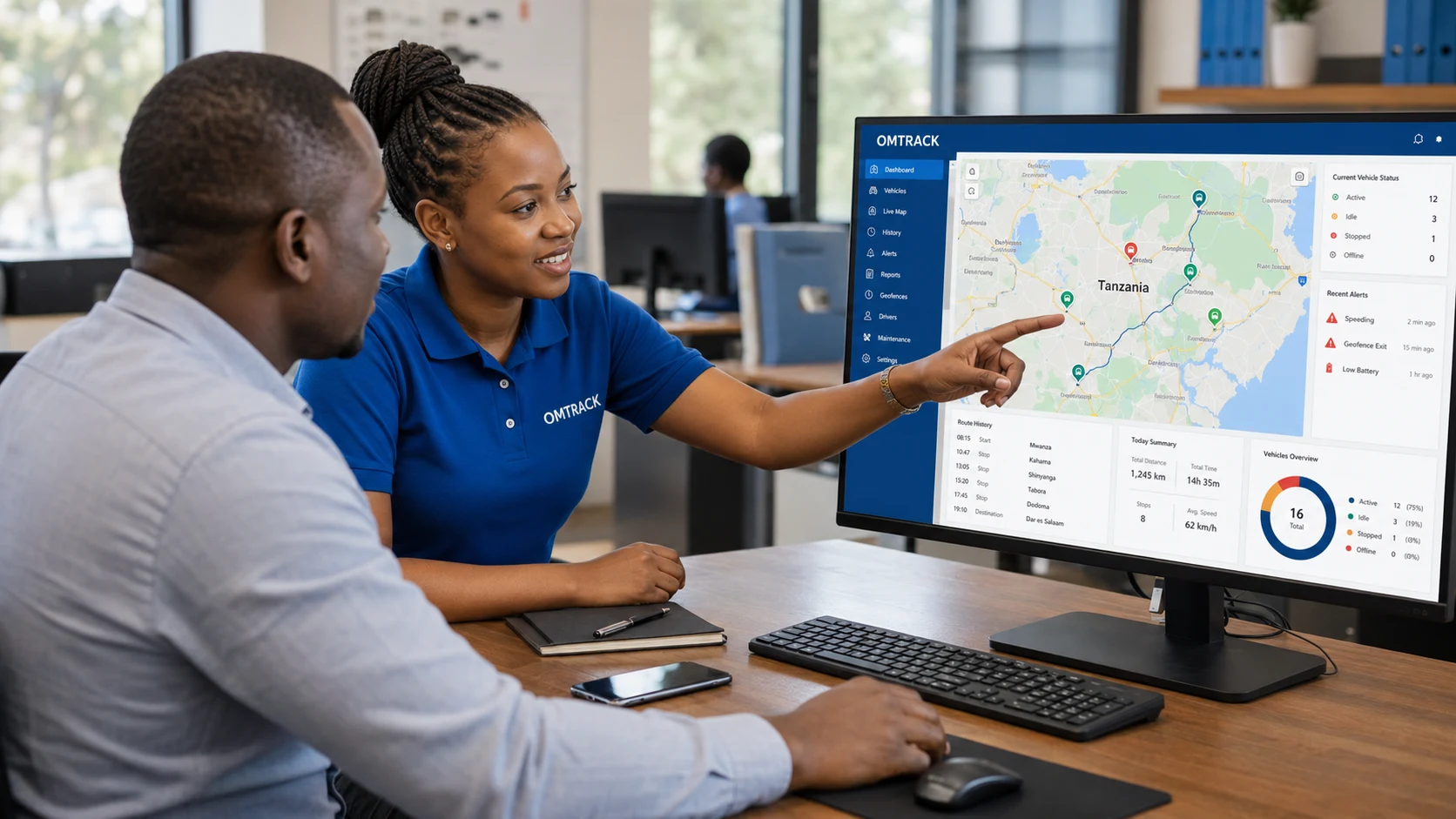
Support Guides Without Constant Phone Calls
Guides need to focus on driving, guests, wildlife, and the quality of the safari experience. Frequent location calls can be distracting, especially during a busy itinerary.
Omtrack allows authorized office staff to check vehicle movement through the tracking platform. The team can confirm whether the vehicle is progressing normally before contacting the guide.
This creates a better balance between operational supervision and the guide’s responsibility to deliver an enjoyable safari.
Control Fuel Use Across Safari Vehicles
Safari vehicles travel long distances and often operate under demanding conditions. Fuel expenses can therefore represent a significant part of the cost of each trip.
Omtrack helps tour companies review:
- Distance travelled
- Journey duration
- Engine idling
- Unauthorized trips
- After-hours vehicle use
- Unusual route changes
- Refuelling activity
- Fuel-level changes where compatible sensors are installed
Managers can compare fuel records with vehicle movements and assigned safaris. This helps identify unusual consumption, unnecessary journeys, possible fuel losses, and vehicles that regularly use more fuel than expected.
Accurate information also supports more realistic safari costing and budgeting.
Monitor Driver Behaviour
Drivers and guides represent your company whenever they travel with guests. Their driving behaviour can affect safety, comfort, fuel usage, vehicle condition, and your company’s reputation.
Depending on the selected equipment, Omtrack can record events such as:
- Excessive speeding
- Harsh braking
- Rapid acceleration
- Sharp cornering
- Excessive engine idling
- Driving outside authorized hours
- Unusual stop patterns
This information can support driver coaching and safety training. It can also help management recognize guides and drivers who consistently operate vehicles responsibly.
The objective is to encourage safer journeys, protect guests, and reduce avoidable vehicle damage.
Use Geofences for Important Tourism Locations
A geofence is a virtual boundary created around a selected location. Omtrack can configure geofences around places that are important to your operations.
These may include:
- Company offices
- Vehicle parking areas
- Airports
- Hotels
- Lodges
- Camps
- Transfer points
- Workshops
- Fuel stations
- Approved operating zones
Depending on the system configuration, your team can receive an alert when a vehicle enters or leaves a geofenced area.
This can help confirm departures, arrivals, lodge transfers, workshop visits, and vehicle returns without requiring a manual update for every movement.
Protect Safari Vehicles Against Unauthorized Use
Safari vehicles are valuable business assets. Unauthorized journeys add mileage, consume fuel, increase wear, and expose the company to unnecessary risks.
Omtrack can help managers identify:
- Movement outside working hours
- Journeys not connected to an assigned safari
- Entry into restricted locations
- Departure from the company yard
- Unapproved route changes
- Unexpected vehicle movement during storage
If a tracked vehicle is stolen, its latest available location information may assist the company and relevant authorities with recovery efforts.
Plan Preventive Vehicle Maintenance
Vehicle reliability is essential when carrying guests through remote destinations. A breakdown can disrupt an itinerary, increase costs, and damage guest confidence.
Omtrack can help your company organize maintenance reminders using dates, mileage, engine hours, or other available vehicle-use information.
Reminders may cover:
- Engine servicing
- Oil changes
- Brake inspections
- Tyre checks and replacement
- Suspension inspections
- Battery checks
- Cooling-system inspections
- Vehicle licensing
- Insurance renewal
- Scheduled safety inspections
Maintenance records also help managers identify vehicles with repeated problems or unusually high repair expenses.
Preventive maintenance cannot eliminate every breakdown, but it can reduce avoidable failures and improve fleet readiness.
Manage Company-Owned and Subcontracted Vehicles
During busy travel seasons, a tour operator may supplement its own fleet with vehicles from trusted partners or subcontractors.
Where tracking devices and agreements allow, Omtrack can help the operations team monitor these vehicles within the same operational process.
This supports:
- Consistent journey visibility
- Route confirmation
- Transfer coordination
- Arrival verification
- Driver accountability
- Trip reporting
- Better communication with travel partners
Tour companies should ensure that vehicle owners and drivers understand the tracking arrangement and that personal information is handled responsibly.
Review Trip History and Resolve Disputes
Manual records can be incomplete or difficult to verify. Omtrack stores vehicle movement information that can help your company review completed journeys.
Trip history may show:
- Departure time
- Route travelled
- Distance covered
- Stops made
- Stop duration
- Arrival time
- Return time
- After-hours movement
These records can help answer questions from guests, travel agents, accommodation partners, accountants, and internal managers.
For example, if there is disagreement about whether a transfer arrived on time, your team can review the recorded journey instead of relying only on memory.
Improve Guest and Travel-Partner Communication
International guests and travel partners expect clear, timely information. When a transfer is delayed or a vehicle has not arrived as expected, vague answers can reduce confidence.
Omtrack helps your team provide updates based on actual vehicle information.
Your company can communicate more confidently about:
- Airport pickup progress
- Expected lodge arrival
- Transfer delays
- Vehicle replacement
- Guide arrival
- Trip completion
- Return to the operating base
Proactive communication shows that your company is organized and actively managing the guest’s journey.
Use Fleet Reports to Make Better Decisions
Omtrack turns daily vehicle movement into information your managers can use.
Depending on your selected solution, available reports may cover:
- Trip history
- Mileage by vehicle
- Routes travelled
- Stops and waiting time
- Engine idling
- Speeding events
- Geofence activity
- After-hours movement
- Vehicle utilization
- Fuel activity
- Maintenance schedules
These reports can help identify underused vehicles, repeated route problems, high fuel consumption, maintenance patterns, and opportunities to distribute assignments more effectively.
Access Your Safari Fleet from Computer or Mobile
Authorized Omtrack users can access relevant fleet information through a compatible web platform or mobile application.
This allows company owners, operations managers, reservation teams, transfer coordinators, and other authorized employees to monitor vehicles even when they are away from the office.
User permissions can be configured according to each employee’s responsibilities.
Benefits of GPS Tracking for Tour and Safari Vehicles
Using GPS tracking for tour and safari vehicles in Tanzania can help your company:
- Improve visibility over active safaris
- Coordinate airport and lodge transfers
- Respond faster to unexpected delays
- Reduce unauthorized vehicle use
- Monitor route and itinerary progress
- Control fuel consumption
- Improve driver accountability
- Support guest safety procedures
- Reduce unnecessary calls to guides
- Plan preventive maintenance
- Improve communication with travel partners
- Protect valuable safari vehicles
- Review completed journeys
- Use vehicles more efficiently
- Make better operational decisions
The results will depend on your fleet, operating procedures, selected equipment, connectivity, and how effectively your team uses the information.
Why Tour and Safari Companies Choose Omtrack
Omtrack is not simply a supplier of GPS devices. We work with tourism businesses to create practical vehicle-monitoring solutions that support their operations and guest-service responsibilities.
Understanding of Tanzania’s Tourism Operations
We understand that safari fleets face different conditions from ordinary commercial fleets. Vehicles travel long distances, enter remote areas, operate on rough roads, and follow itineraries that directly affect the guest experience.
Solutions Matched to Your Safari Fleet
We assess your vehicle types, routes, transfers, safari operations, and reporting requirements before recommending a solution. You receive a system designed around how your company actually operates.
Professional Device Installation
Our team installs and tests tracking equipment carefully so that each device is ready for regular fleet use.
Practical Staff Training
We help authorized employees understand how to monitor vehicles, review trips, create geofences, interpret alerts, and use reports.
Ongoing Technical Support
Our support continues after installation. Omtrack helps your company address technical issues and continue using the system effectively.
Capacity to Grow with Your Business
You can begin with your current safari vehicles and expand the system as your fleet, transfer services, and operational requirements grow.
Focus on Your Guest Experience
Our goal is not only to show vehicles on a map. We help you use fleet information to improve coordination, protect assets, support guides, reduce avoidable costs, and provide more reliable service to guests.